
What is the Blue Litter Project?
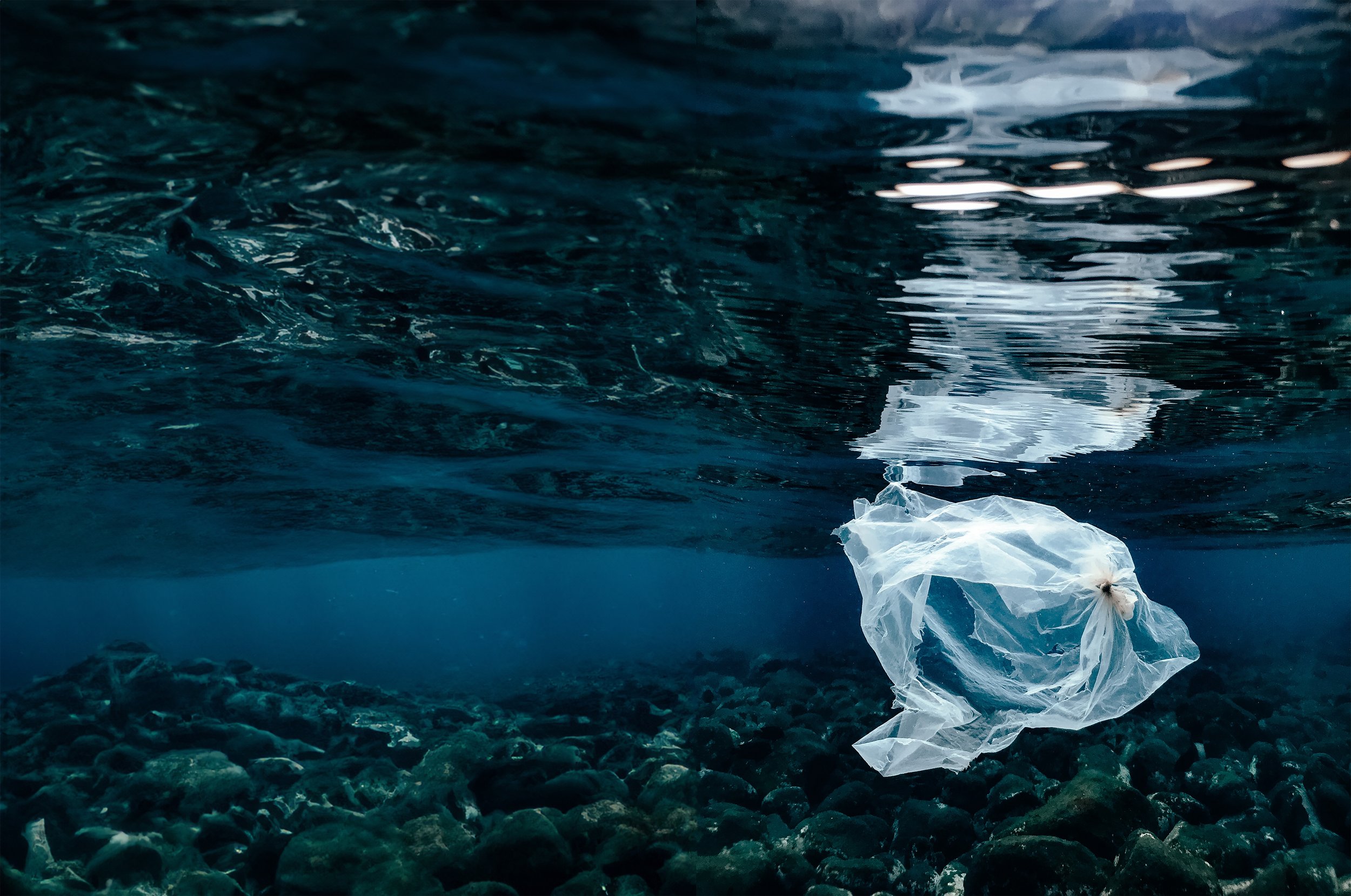
The Blue Litter Project is Clean Cornwall’s specialist initiative to prevent, record and remove marine litter around Cornwall’s coastline and inshore waters. With new funding secured under Measure 12 – Preventing and Collecting Marine Litter, the project has expanded its reach, tools and impact, working with local businesses, fishermen, volunteer groups and coastal communities to collect more marine litter and improve understanding of what is being found where and why.
What we do
Marine litter accumulates not just on beaches but in hard-to-reach coastal coves, tidal zones, around reefs and underwater. Some of this litter, such as ghost fishing gear (lost nets, lines and pots), poses ongoing danger to marine wildlife through entanglement and injury.
The Blue Litter Project supports partners who regularly access these places by providing:
Marine and coastal litter collection equipment and personal protective gear
Training and guidance on safe litter retrieval
A simple online recording form replacing our previous app-based system
Analysis of marine litter data to identify hotspots, priority items and future action areas
Awareness materials and outreach for groups, businesses and the wider public
This approach combines local action with data-led insight, helping us both remove litter and understand how and where it is entering Cornwall’s seas.

Recording marine litter
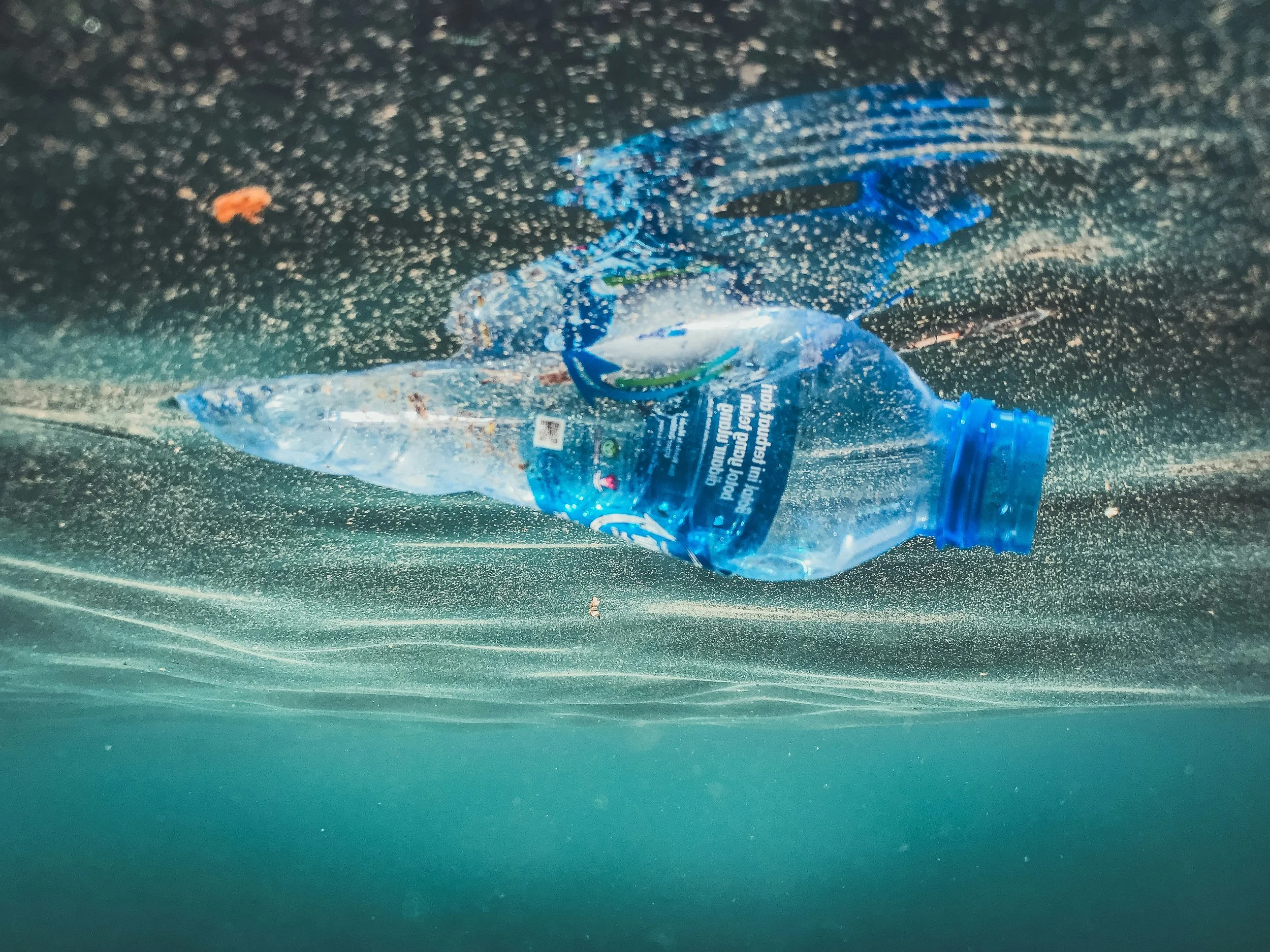
Participants in the Blue Litter Project are invited to log their marine litter collections using the short form here. This captures essential data including:
Date and location of the collection
Type, quantity and weight of items collected
Context (e.g. shoreline, inshore vessel, underwater)
Photographs where possible
This data helps clean-ups become learning opportunities, informing future campaign focus and supporting evidence-based decision-making.
Who’s involved?
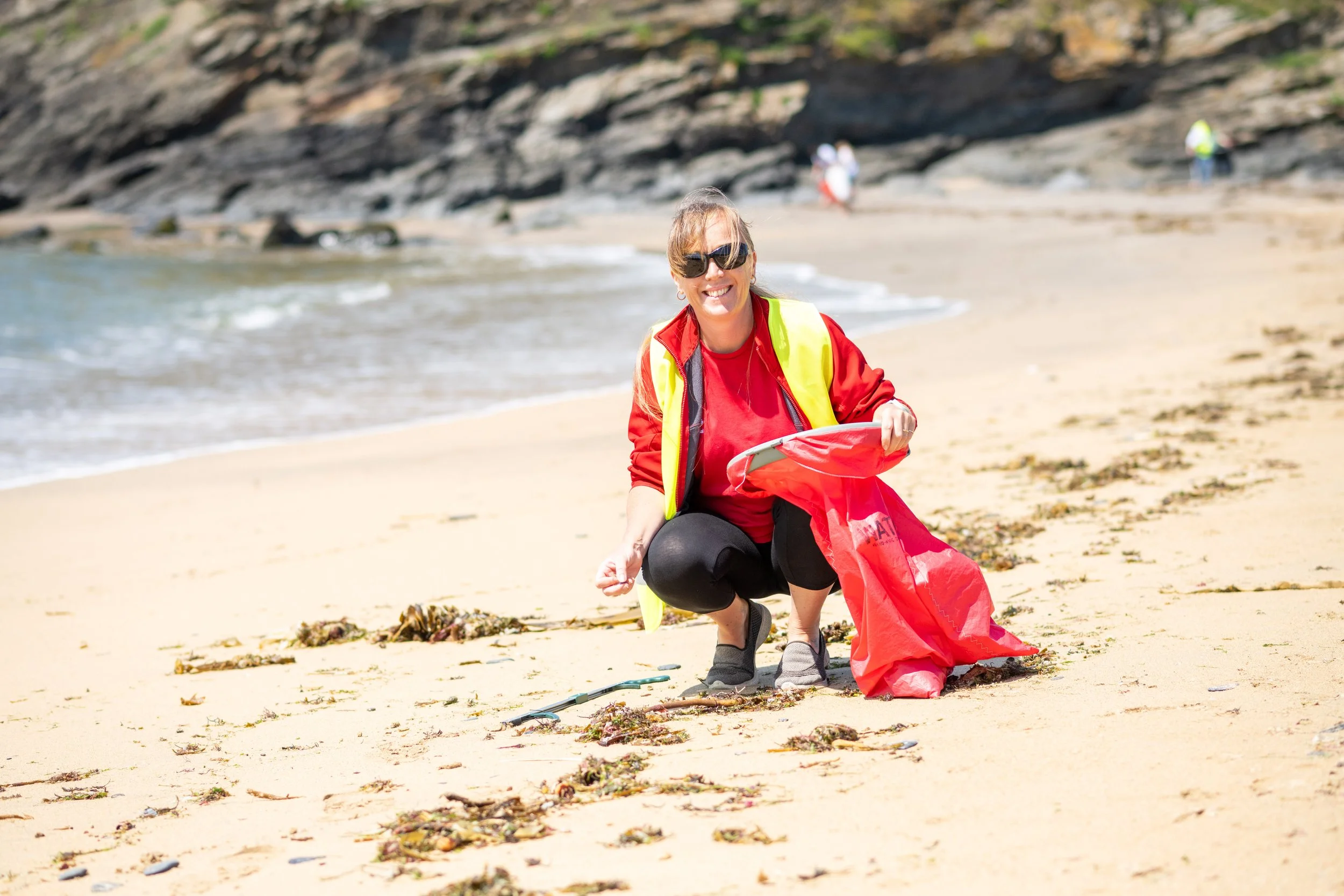
The project brings together organisations and groups who play an active role in collecting and recording marine litter. These include marine businesses, conservation groups, fishing operators and community partners who regularly work in Cornwall’s coastal and marine environments.
Below is a list of current collaborators. If you operate a business or group that regularly accesses Cornwall’s marine spaces and would like to get involved, please get in touch.
Participating organisations include:
This list is regularly updated as more businesses and groups join.
Koru Kayaking - St Agnes
Classic Sailing - St Mawes
Clean Ocean Sailing - Gweek
Marine Discovery Penzance - Penzance
Vertical Blue Adventures - Porthleven
Cornish Diving Centre - Falmouth
Black Pearl Boat Trips - St Ives
Liberty Boat Charter - Malpas
Marine plastic
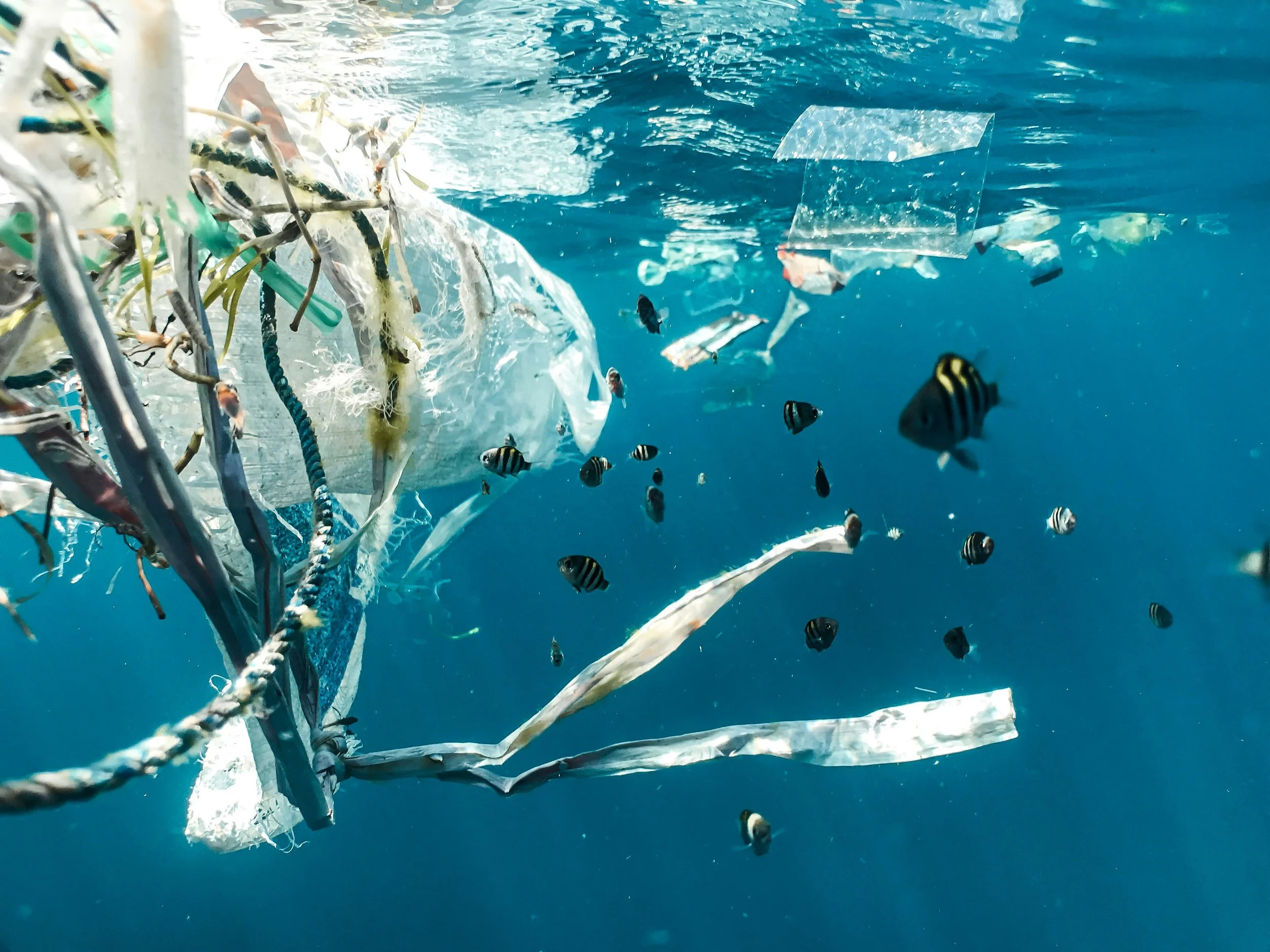
We kickstarted The Blue Litter Project in response to growing concerns surrounding the impact of marine plastic and litter on Cornwall’s ecosystems and communities. Several concerning studies have revealed marine plastic pollution to be rising at unprecedented levels since 2005, and Cornwall has been no exception to this growing issue. The presence of plastic pollution in our marine spaces and waterways can devastating effect on coastal areas and the wildlife that inhabits them, with WWF estimating that plastic pollution kills 100,000 marine mammals every year. These shocking studies also revealed that 81 out of 123 marine mammal species are known to have eaten or been entangled in plastic, with 56% of whale, dolphin and porpoise species documented to be ingesting plastics (Environmental Investigation Agency).
How the expansion will deliver more impact
Since the project began, Clean Cornwall has built strong relationships with local partners and volunteers collecting marine litter and feeding back insights. With expanded funding and improved digital recording via the website form, the Blue Litter Project will:
Increase the volume of marine litter collected
Grow participation across Cornwall’s coastal communities
Improve data quality and reporting
Extend collaboration with marine and coastal stakeholders
All partners are supported with equipment, safety guidance, and a central point of coordination through Clean Cornwall.

In Cornwall
Figure from the University of ExeterSome may not be aware that Cornwall faces a multitude of ongoing environmental challenges due to litter and plastic pollution, threatening the status of its stunning coastlines and unique ecosystems. Past studies by the University of Exeter revealed the South West’s marine protected areas to be some of the worst affected by litter and plastic in England (See Fig). Litter in Cornwall also hit headlines in March this year with the RSPCA releasing a litter warning for Devon and Cornwall after receiving 594 callouts for animals affected by litter between 2020 and 2023.
The problem doesn’t end at the shoreline, as Cornwall relies heavily on marine tourism to support its economy throughout the year. Cornwall’s marine sector accounts for almost one in seven marine jobs in the UK and 8% of the UK’s marine industry turnover. The loss and degradation of our natural coastlines and landscapes holds devastating potential for thousands of people, businesses and communities across the country.
We hope to help mitigate these negative impacts throughout the project with the help of local businesses, hobbyists and conservation groups. This project also aims to spark discussions around how Cornwall’s communities can come to together to protect our shores, lakes and rivers for the future.
Get involved
Contact us to find out more or sign up:
Email: info@cleancornwall.org
Phone: 07447 818416
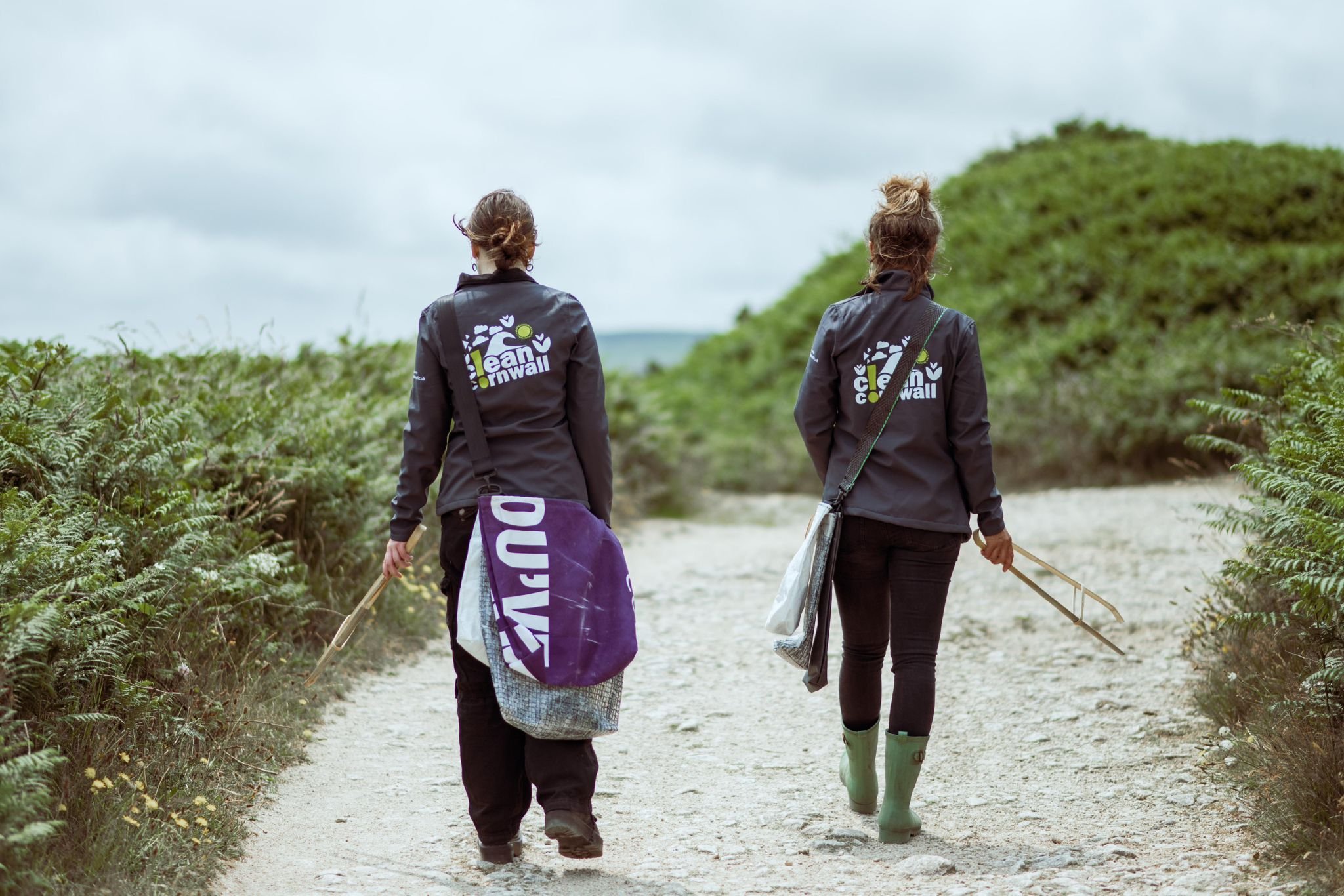
Whether you are a boat operator, fishing enterprise, dive school, conservation group or volunteer team, the Blue Litter Project provides:
Equipment and PPE for safe marine litter collection
Clear guidance on logging findings through the online form
Support and networking with other Cornwall-wide partners
GALLERY
Examples of user submissions from the Blue Litter Project Hub App.
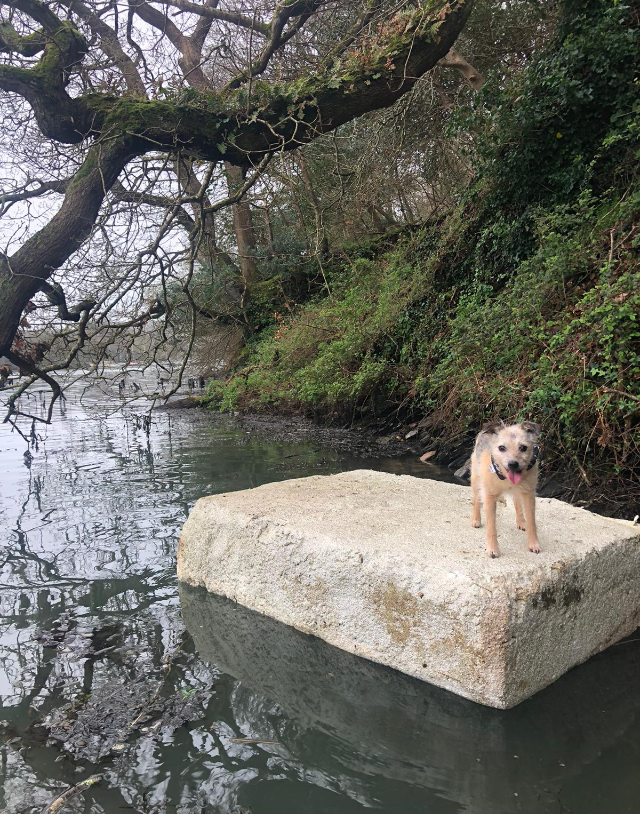
From Liberty Charters
From Koru Kayaking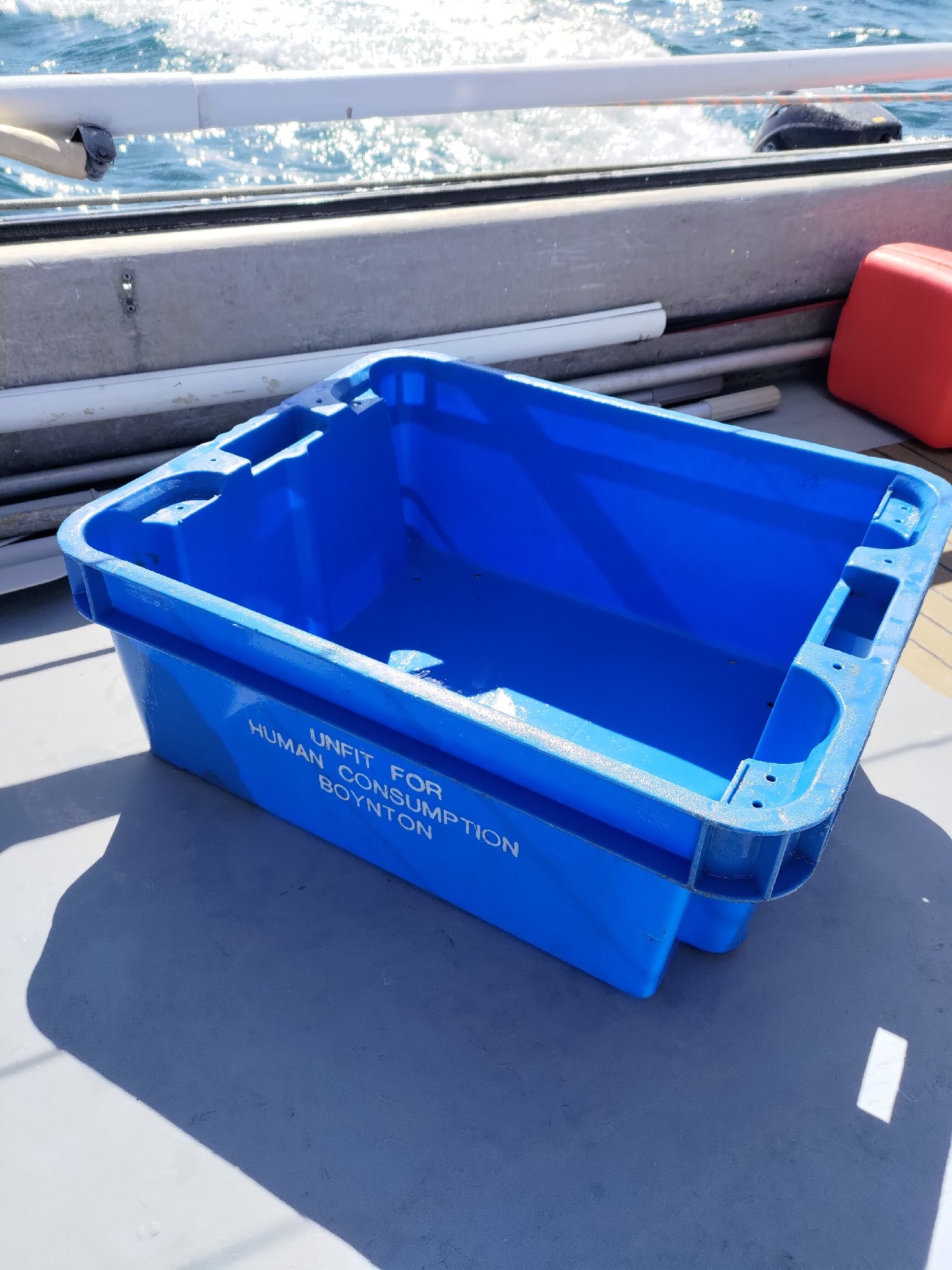
From Liberty Charters